

Mid-Year Learning Audit: 5 Steps to Refresh Your Training Goals
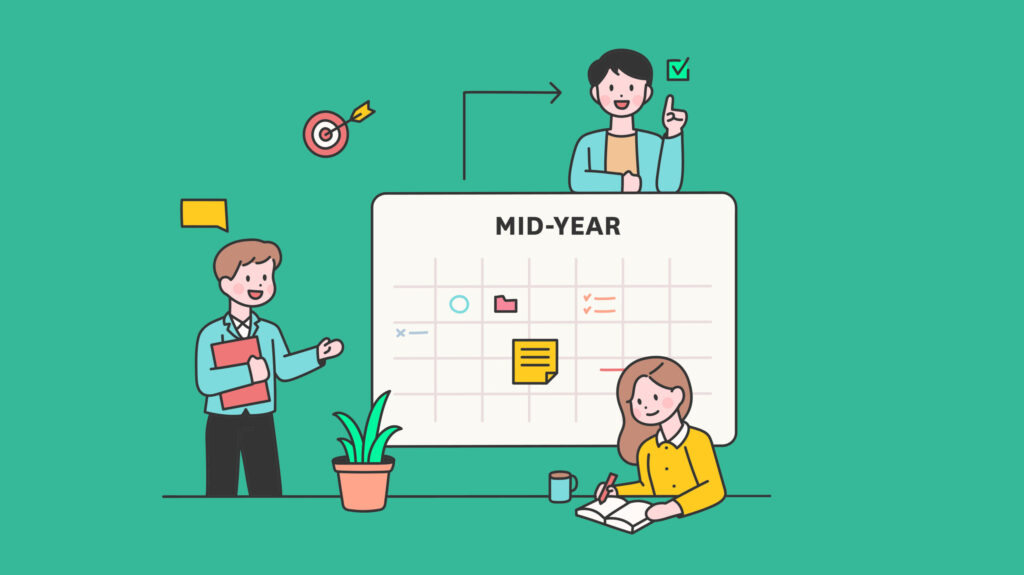
The halfway point of the year is more than a milestone; it’s a powerful moment for reflection and renewal. Whether you’re an HR leader, L&D strategist, or NGO program manager, now is the ideal time to evaluate your learning efforts and energize them for impact in Q3 and beyond.
In this blog, we guide you through a simple 5-step mid-year learning audit to help you identify what’s working, what’s not, and how to realign your training strategy with purpose.
Step 1: Revisit your Learning Objectives
Start with the “why.” Go back to the goals you set at the beginning of the year. Are they still relevant? Has your organization’s mission evolved, or have external factors shifted priorities? Ask yourself:
- Are we still solving the same problems?
- Have any departments or teams emerged with new learning needs?
- What business or societal outcomes are we aiming to support through training?
Aligning learning goals with your organization’s current direction ensures that your content remains meaningful and strategic.
Step 2: Analyze Engagement and Completion Rates
- Course enrollment and completion rates
- Drop-off points in eLearning modules
- Feedback scores from employees or participants
This helps you identify patterns. Is your audience dropping off mid-course? Are they skipping content? Are certain formats consistently more successful?
Pro tip: Low engagement doesn’t always mean disinterest; it often means misalignment with format or timing.
Step 3: Map Skills vs. Roles
Now, let’s zoom in on the learners themselves. Are your learning paths actually helping people do their jobs better? Draw a quick skills map:
- List key roles in your organization.
- Identify the skills needed today and tomorrow for each.
- Compare this to what your current learning journey covers.
NGO specific bonus tip: Map skills not just to job roles but to impact areas like community development, advocacy, or field work efficiency.
Step 4: Identify Gaps and Quick Wins
Not every audit leads to a massive overhaul. In fact, Q3 is a great time for agile tweaks. Look for:
- Quick wins: e.g., converting long videos into micro lessons
- Gaps: e.g., missing onboarding content or lack of soft skills modules
- Repetitions: Are some training courses outdated or underused?
This is where a sprint-based approach shines: tackle small, high impact updates now, then plan deeper changes for Q4.
Step 5: Refresh and Relaunch with Energy
You’ve done the audit; now it’s time to act on it. Craft a new learning roadmap for Q3/Q4 that integrates your findings. Share it internally with excitement. You might:
- Relaunch a course with updated content and a fresh communication push.
- Introduce “Summer Learning Sprints” with bite-sized goals.
- Offer badges or recognition to boost motivation.
Pro tip: Make the refresh feel like a reawakening, not a repair. Learners respond to energy! A mid-year learning audit isn’t just about course correction; it’s a chance to reignite purpose. It shows your teams that learning isn’t static. It evolves with the mission, with the people, and with the world around us.
